Developing Leadership and Communication skills through Partnerships
by Jacob, Abingdon School’s Student Partnership Ambassador
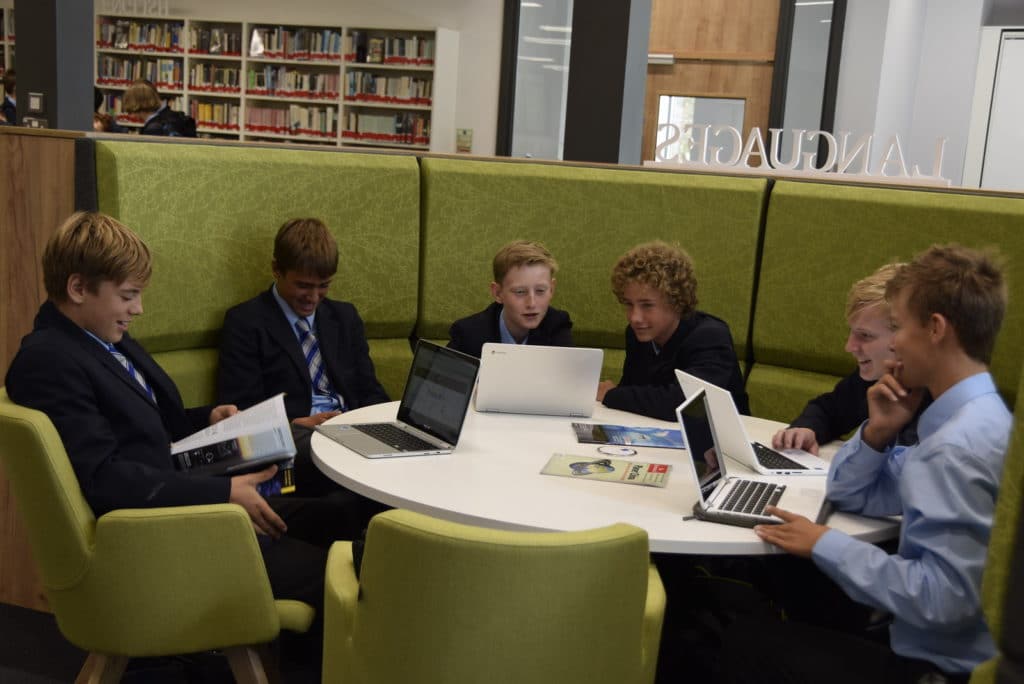
For over five years the Academic Coaching Programme has helped upskill and support hundreds of students from across OX14 Learning Partnership schools. Each year the programme aims to train Sixth Formers in the art of the Coaching Conversation who then provide a series of one to one sessions for younger students to receive support with their academic goals.
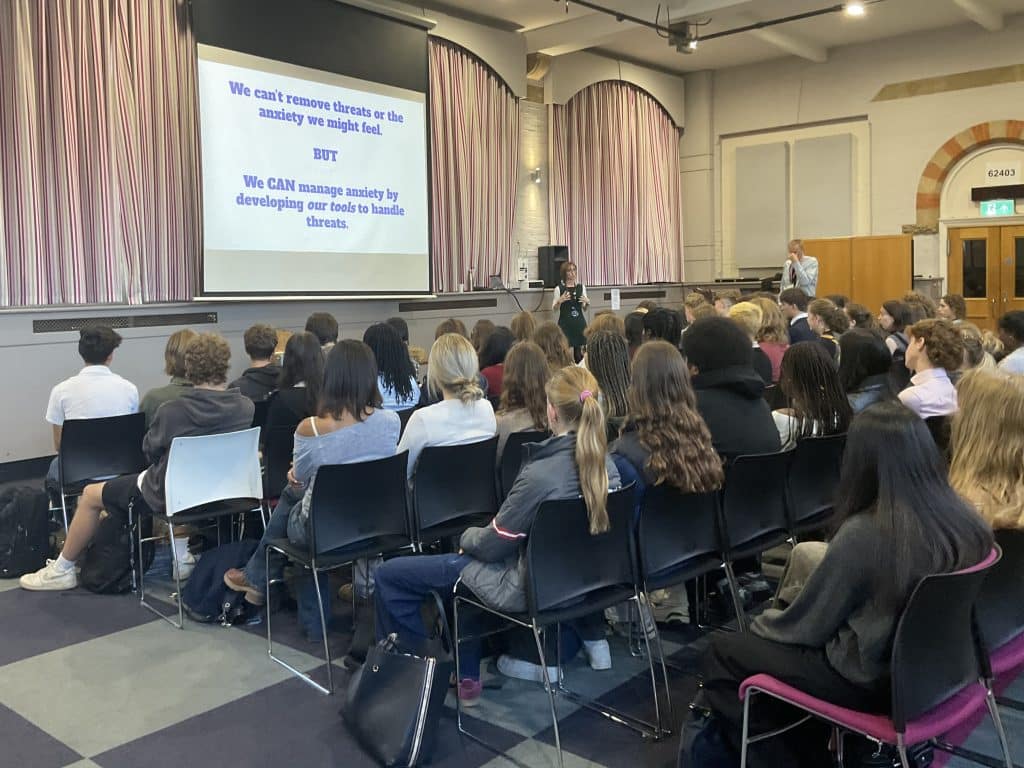
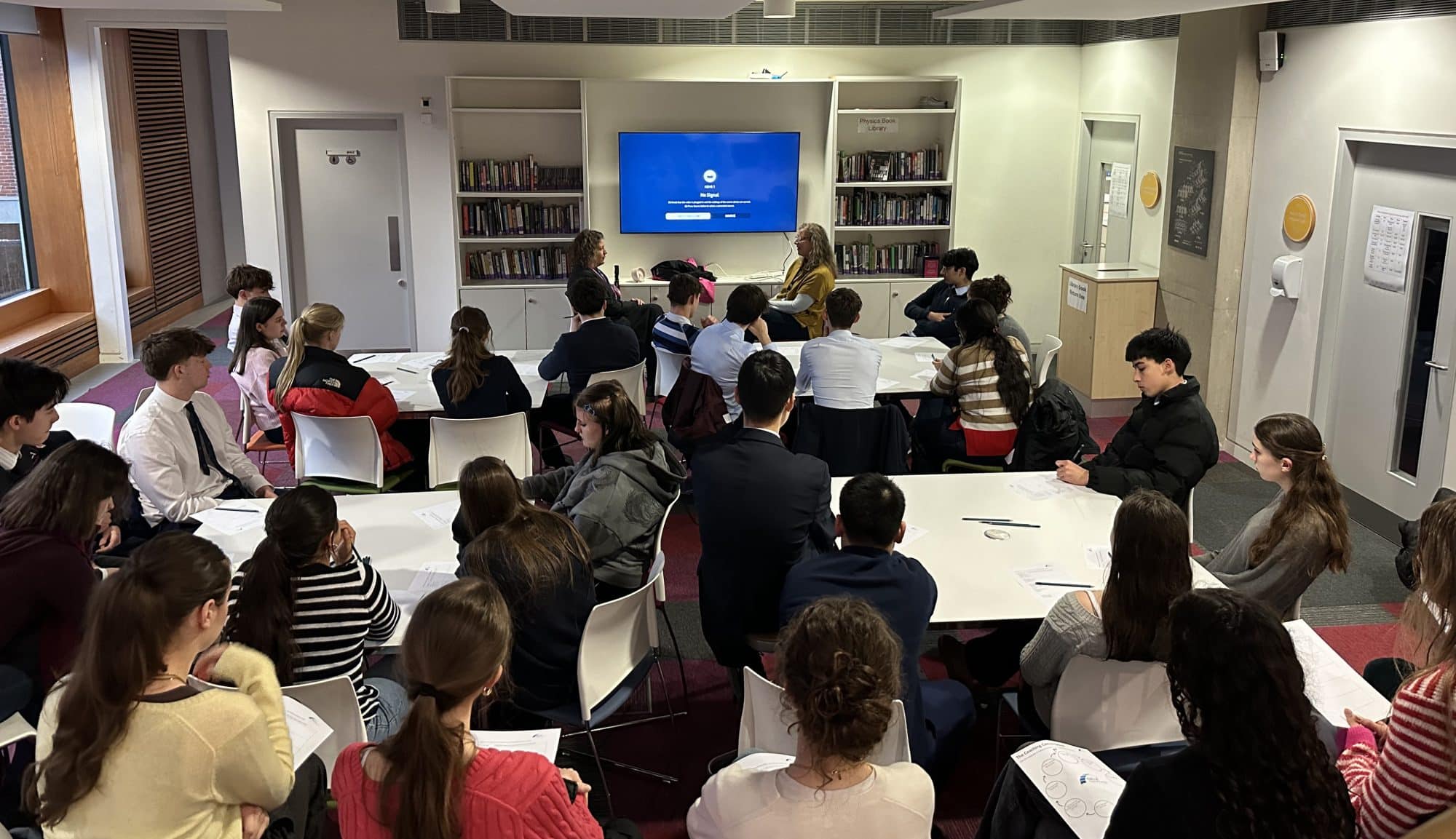
Earlier this term, three training sessions saw over 50 students come together for sessions on leadership and the coaching conversation as well as safeguarding. During the training, Sixth Formers began by delving into the core qualities of great leaders which included: empathy, determination, humility, communication and confidence as well as being a great listener.
Since completion of the training the coaches have begun working with younger students from across schools. The power of this programme lies in the peer-to-peer connection, a younger student may be more open to working with a Sixth Former who has recently navigated similar academic pressures and stresses. By mastering the coaching conversation coaches have learnt how to ask powerful questions that lead younger students to find their own solutions, rather than simply giving them the answers. The programme has a proven track record of providing targeted support, useful tools and increased confidence for the younger coachees. However, the benefits are two way, the Sixth Form coaches also leave the programme with a refined set of interpersonal skills that are highly valued by universities and future employers.
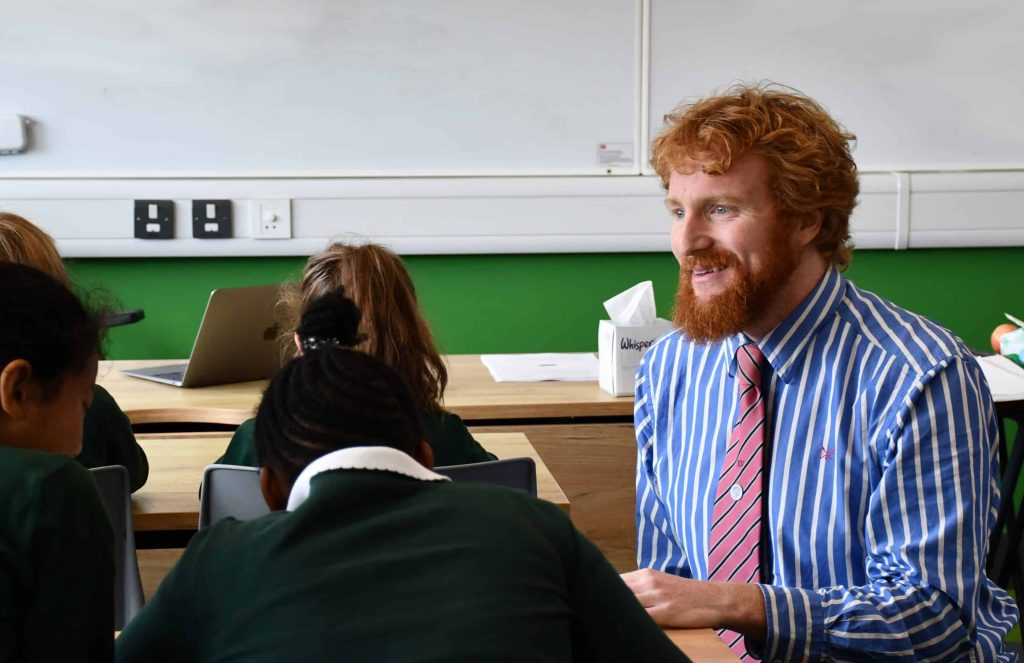
Hear from our Student Ambassador for Partnerships, Jacob, on his visit to a recent coaching session.
‘Academic coaching is a role that extends well beyond just simply tutoring. While tutoring often focuses on short-term academic fixes, coaching represents a fuller approach to learning that builds new high level skills for both the coach and the student. For the student it gives them new and improved methods of completing tasks, organising homework, getting the most out of lessons and skills in specific subjects. I was there today and some of the comments I received from students were things like ‘it’s really helped me in organising my work’ and ‘I’ve learnt so much more from this than I would’ve if I was teaching myself at home’. This just goes to show the sheer amount of help some of these pupils receive. It is not only beneficial for them but also for the coaches. For the coach, the experience is a powerful exercise in communication and leadership. One of the most significant skills acquired is the ability to navigate social barriers by engaging with new people from diverse backgrounds giving them the capability to meet and speak with whoever they meet, building rapport in an instant. Furthermore, coaches master the “coaching conversation,” a communication style centered on active listening and the open question method. Rather than providing direct answers, coaches learn to use targeted questioning to prompt critical thinking, a skill that is directly transferable to management and collaborative professional roles. Some of the comments included ‘this has really helped my self-confidence’ and ‘meeting new people has become so much easier’.
As well as going to academic coaching I popped into the primary science club to see what was going on. The Primary Science Partnership is a great way for both older students and younger children to grow. For the students creating the lessons, the biggest skill is learning how to simplify. It is one thing to know a science fact, but it is much harder to explain it to a ten-year-old without using confusing words. This teaches the older students how to be better communicators and how to lead a room full of excited kids while keeping things safe and on track. For the primary students, the benefit is getting to be a real investigator. Instead of just reading a book, they get to come into a big lab and see themselves as scientists. This builds their confidence and makes them much more interested in science as they get older. Today, the group focused on air resistance by building parachutes out of bin bags. Seeing the bin bags flying down like a rain of parachutes was very fun to see and the competitiveness of the children is also a great sight. Overall a very successful day for partnerships.’
Back to all Blogs