Abingdon School was founded by the Benedictine monks of Abingdon Abbey. A certain Richard the Pedagogue, who features in a legal document of 1100, has been claimed as the first-known Headmaster, but evidence for the existence of the School begins to accumulate in a significant way only with the building of St. Nicolas's church, as the first schoolroom, between 1121 and 1184.
Abbot John de Blosneville left money in his will of 1256 for the support of poor scholars of the School. From legal documents of the year 1372, it appears that the School was by then occupying premises north of St. Nicolas's church in Stert Street, including two boarding houses.
The School survived the dissolution of the Abbey, and the then Headmaster, John Clyffe alias Tesdale, remained in office. When Christ's Hospital of Abingdon was founded in 1553, its Royal Charter laid down that one of the duties of the new charity was to support the grammar school. In 1563, John Roysse, an old pupil of Clyffe's, was persuaded to assist in a re-endowment of the School, which moved at about the same time to a site south of the Abbey gateway, owned by a certain William Blacknall. Roysse's motivation was deeply religious - he may have hoped to establish a chantry to offer prayers for his soul - and he instructed that the School should be renamed in honour of the Holy Trinity.
The most important benefactor in the early modern history of the School was Thomas Tesdale (1547-1610), who had been a senior pupil in 1563. He caused the premises to be improved, supplied a salary to support an Usher or Second Master, and arranged a number of scholarships which are commemorated in today's Bennett Awards. Finally, he left money for the support of thirteen Abingdon scholars at Oxford; this endowment was eventually to form the bedrock of Pembroke College, founded in 1624 at the initiative of Dr. Thomas Godwyn (Headmaster 1601-1625).
The School was penalised during the Civil Wars for its Royalist and Anglican loyalties. However, it recovered after the Restoration, with the notably successful Headmastership of Robert Jennings (1657-1683). In 1671 ten boys were expelled by the town Corporation for their refusal to attend Anglican services at St. Helen's Church.
The eighteenth century was a period of conspicuous success, centred around the Headmastership of Thomas Woods (1716-1753). Woods, known as "Flogging Tom", ran a prosperous boarding school which was popular with local aristocratic and county families. He gave the School the clock which is to be seen in the present Grundy Library. Many eighteenth-century Abingdonians went on to successful careers in Church and State, often with the help of the closed scholarships at Pembroke College, Oxford. The Old Abingdonian Club was founded in 1743.
Dr. John Lempriere (Headmaster 1792-1809), was a distinguished scholar but an incompetent Headmaster, and during his time the School fell into decay. Not surprisingly, Pembroke College showed themselves keen to use the University Reform Act of 1854 to cut the ties which had bound them to the School for the previous two and a half centuries.
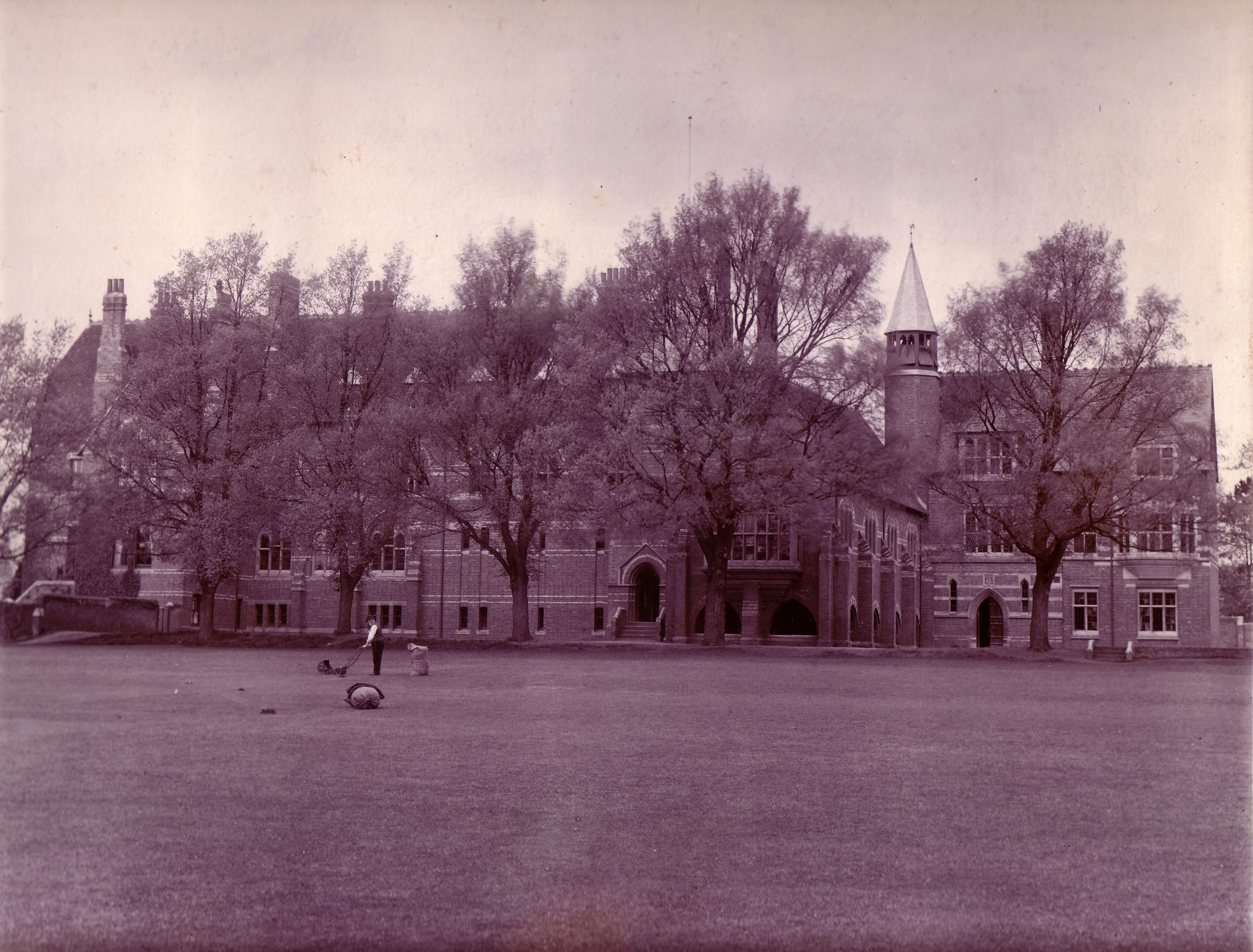
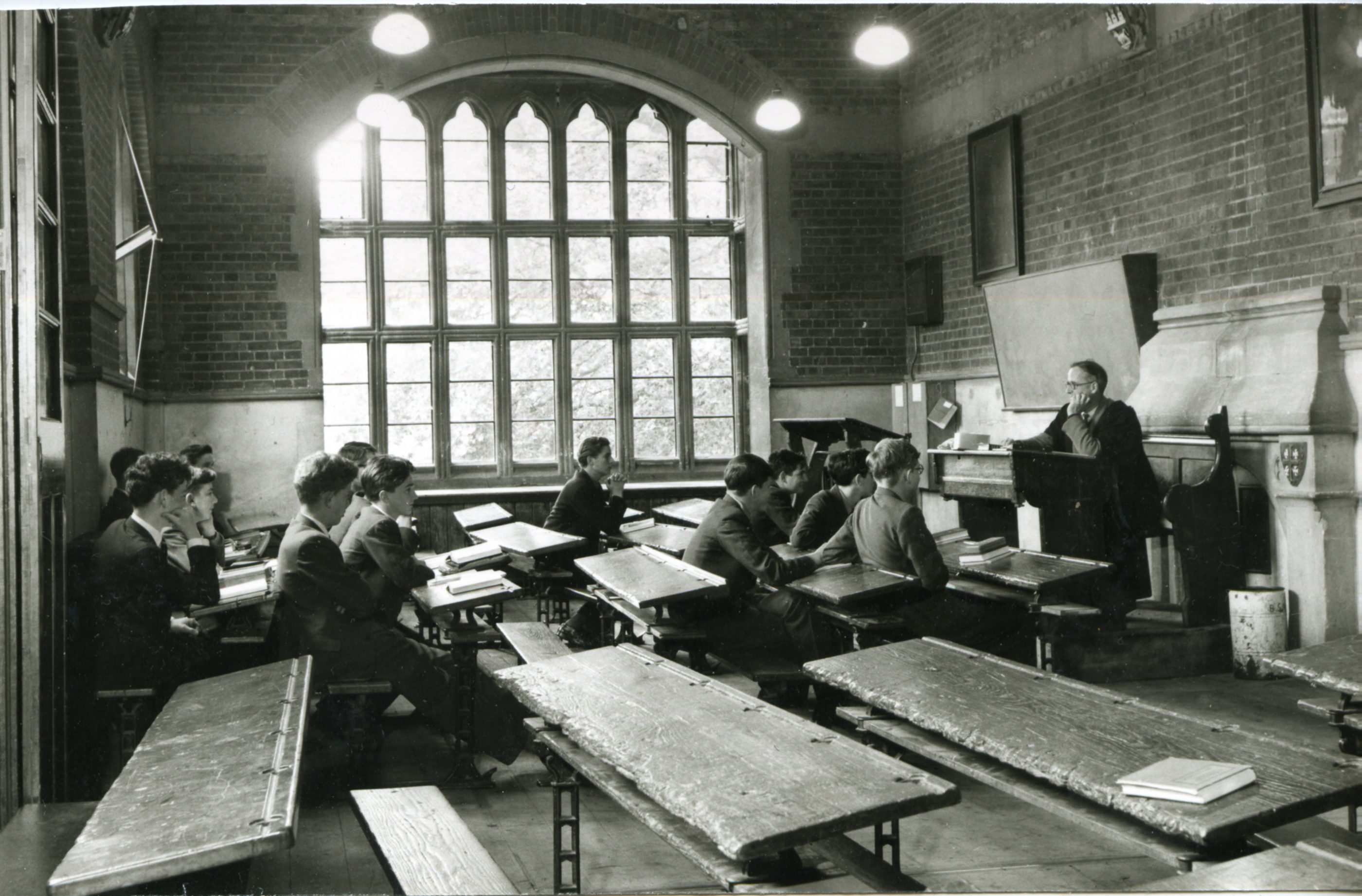
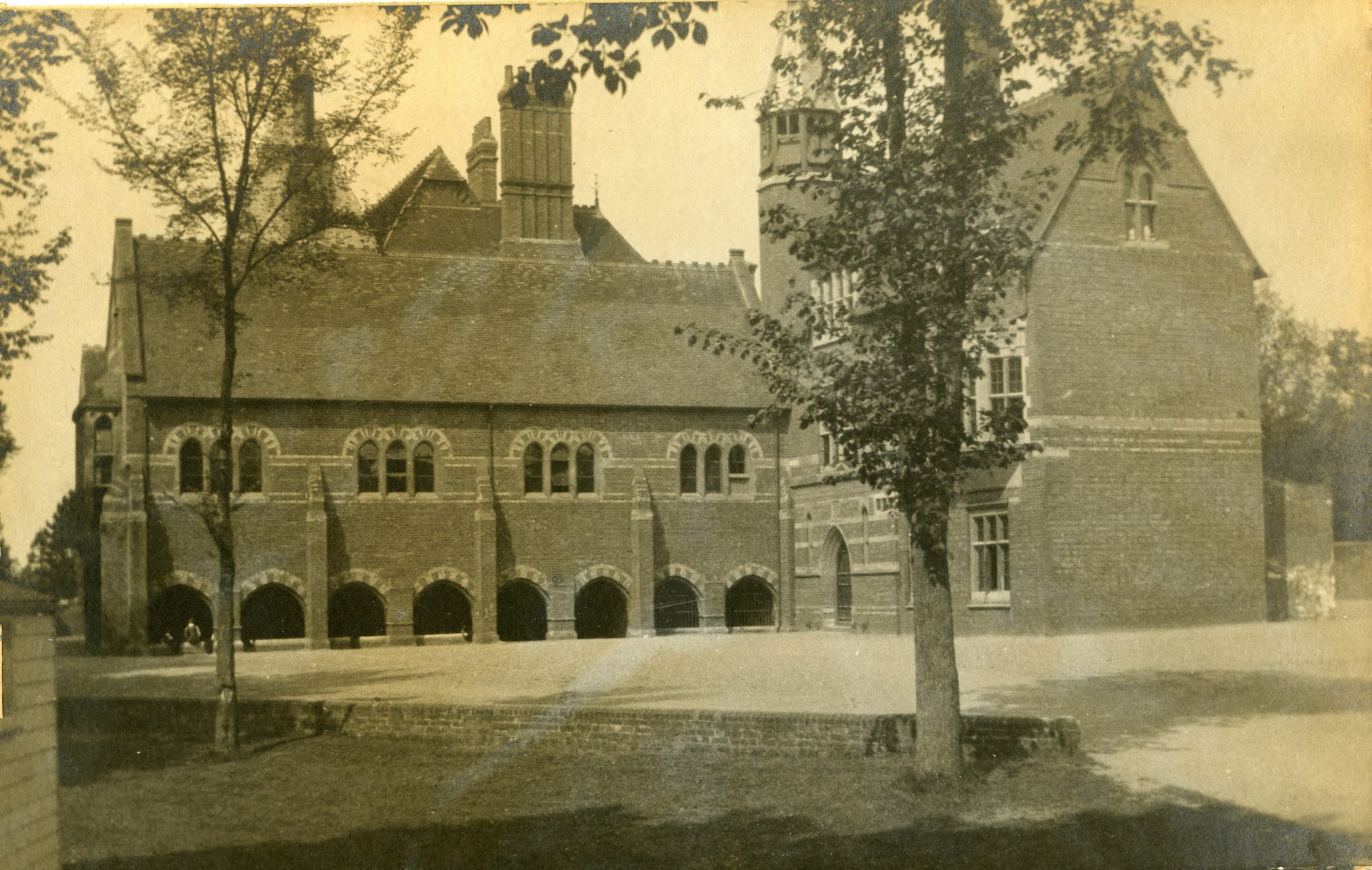
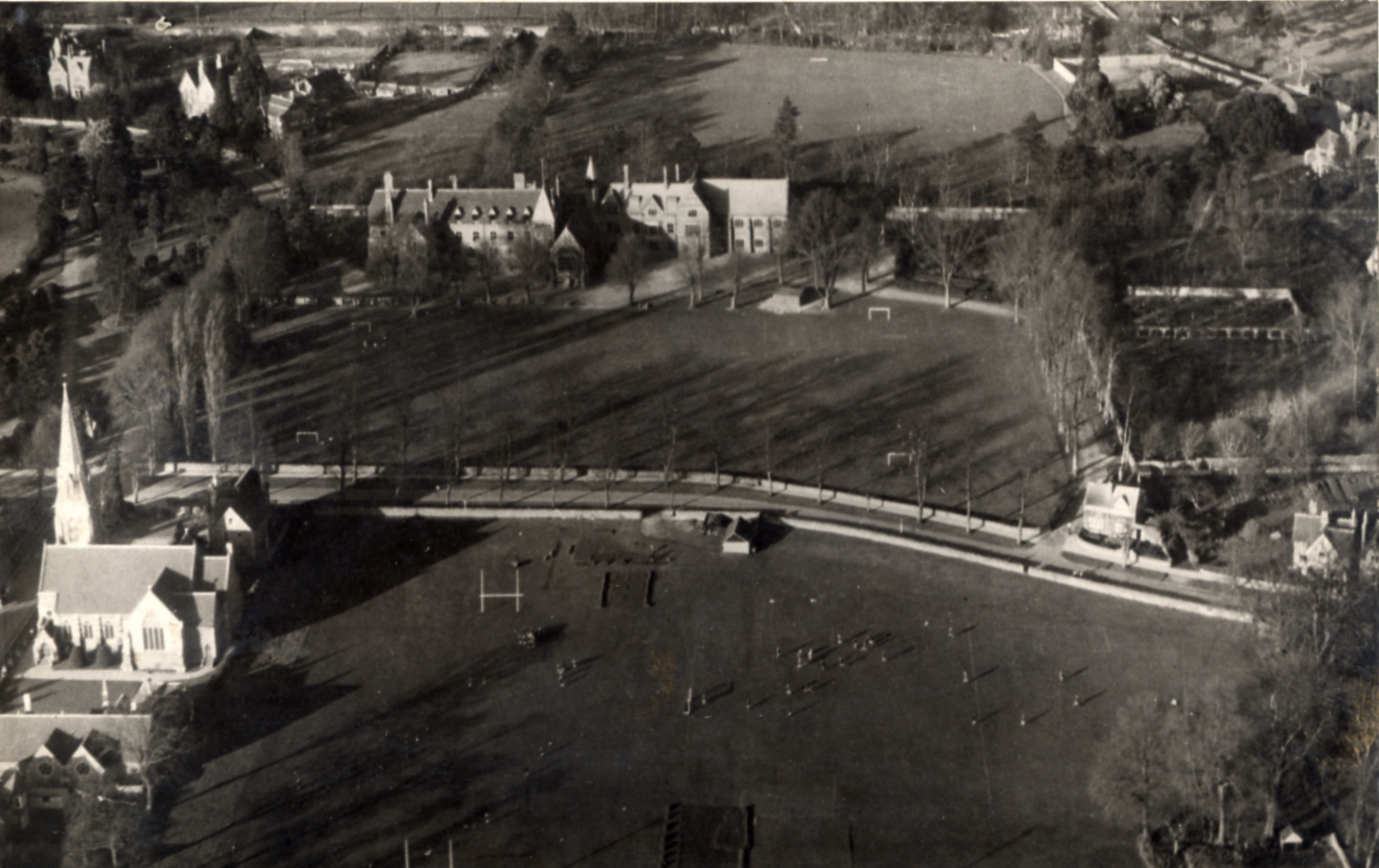
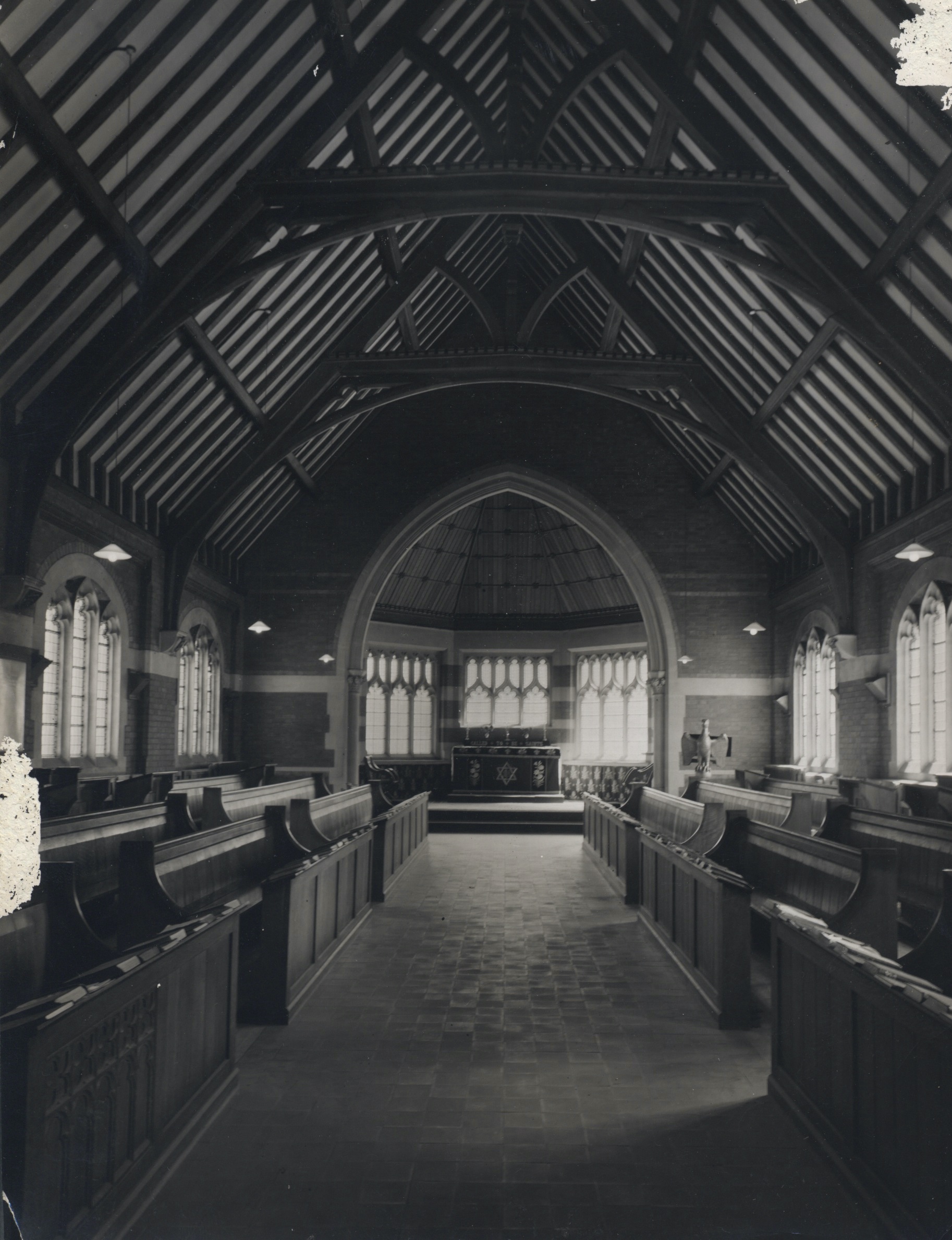
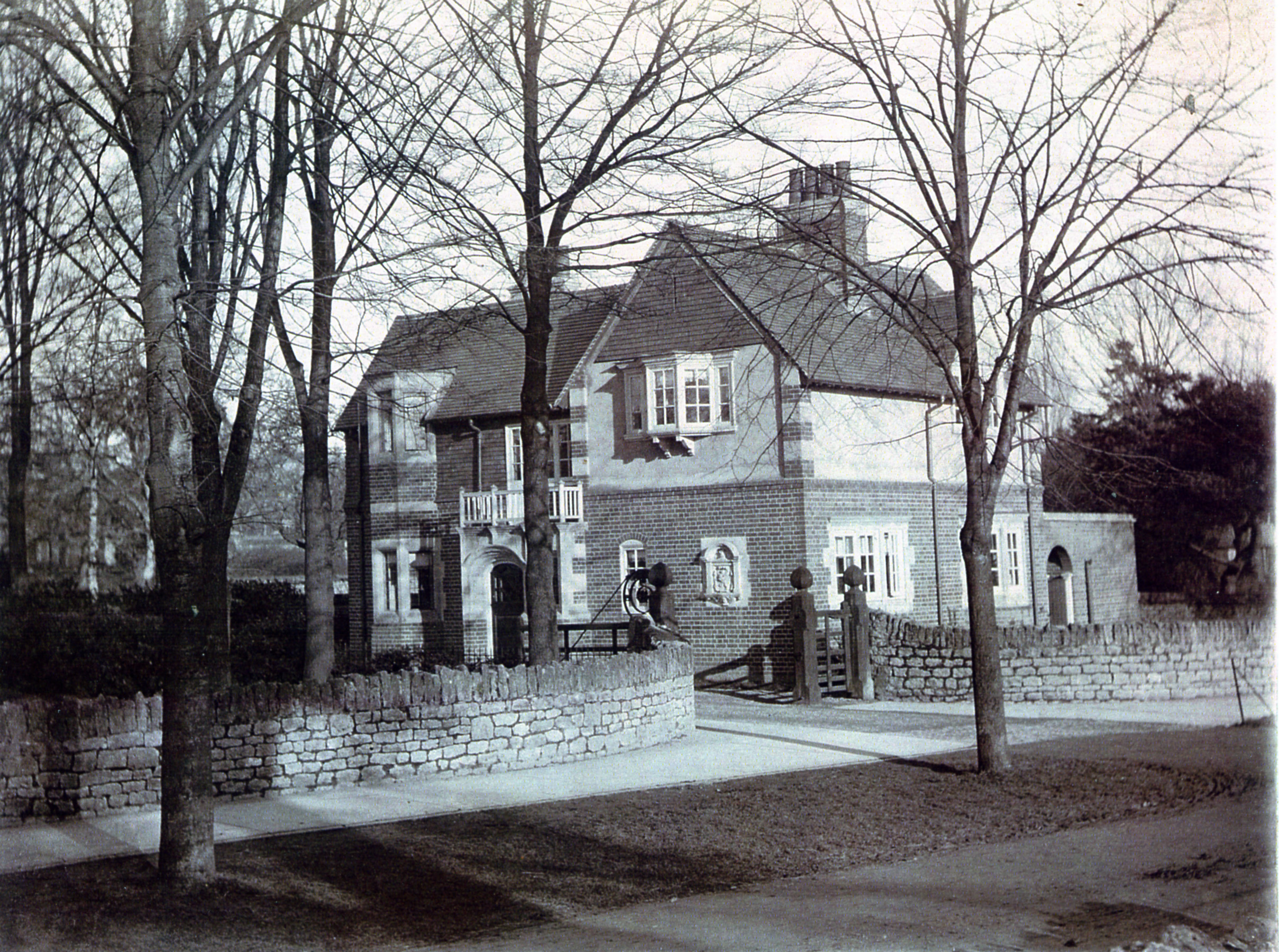
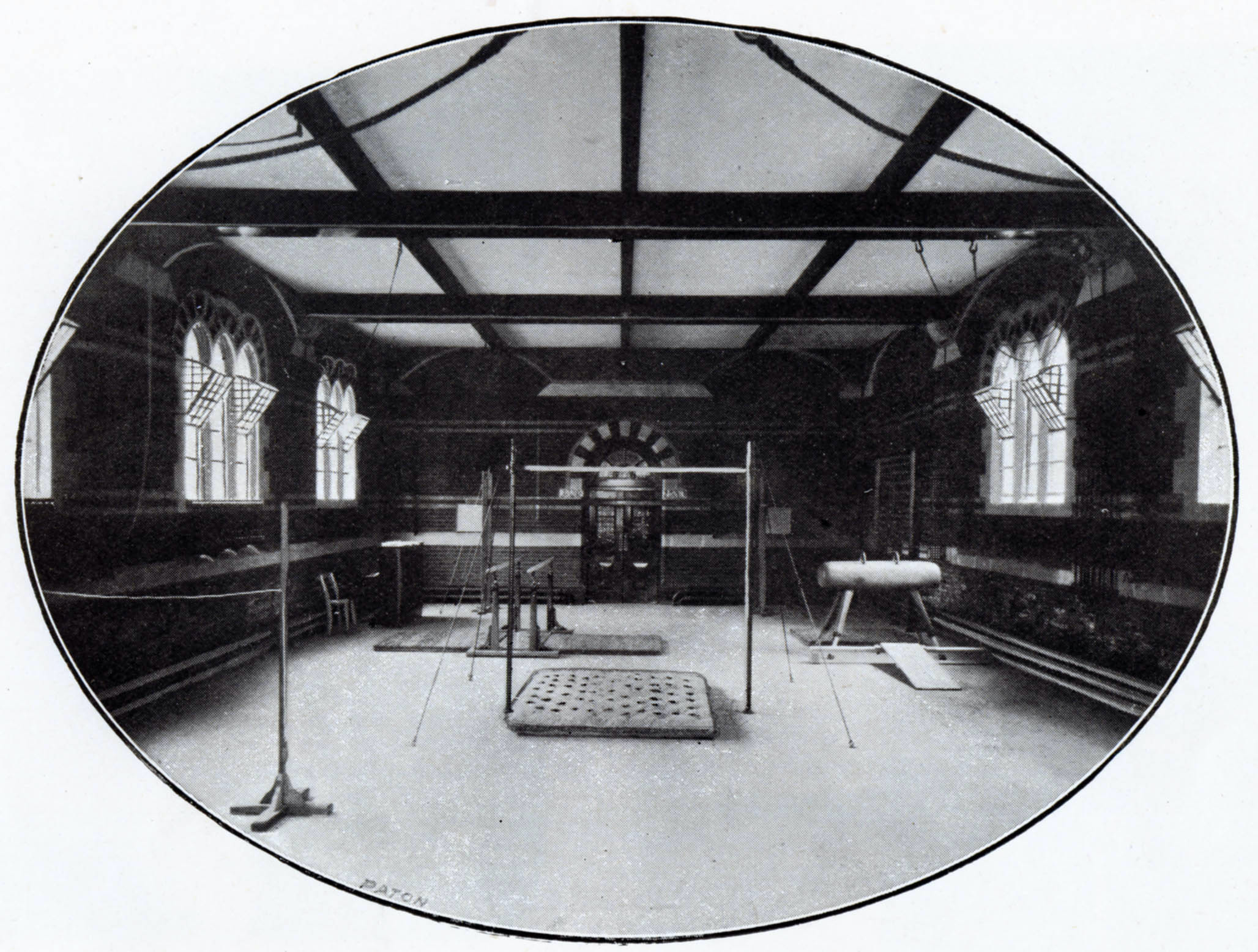
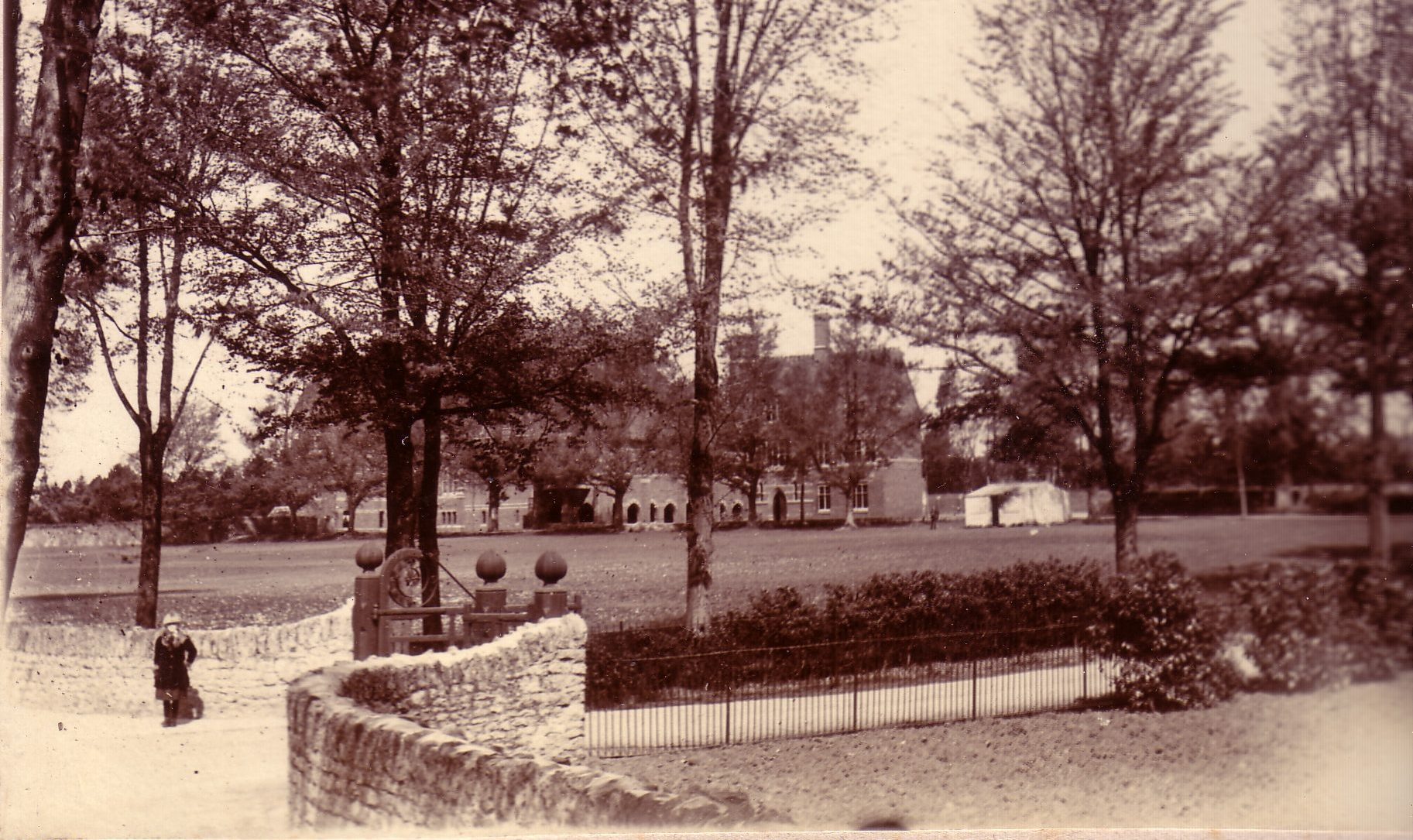
A fresh start was made in 1870, when the School moved out to its present site. The new buildings comprised a schoolroom - now the Grundy Library - and School House; they were designed to accommodate forty boarders and eighty dayboys. The north wing of School House and the first part of Big School were constructed in 1879-80; the Lodge was put up in 1897; and the remainder of Big School, including the Chapel, was constructed in 1902. Scholarships were founded by Herbert Young and Edgar Summers (Headmaster 1870-1883), and by Lady Wantage.
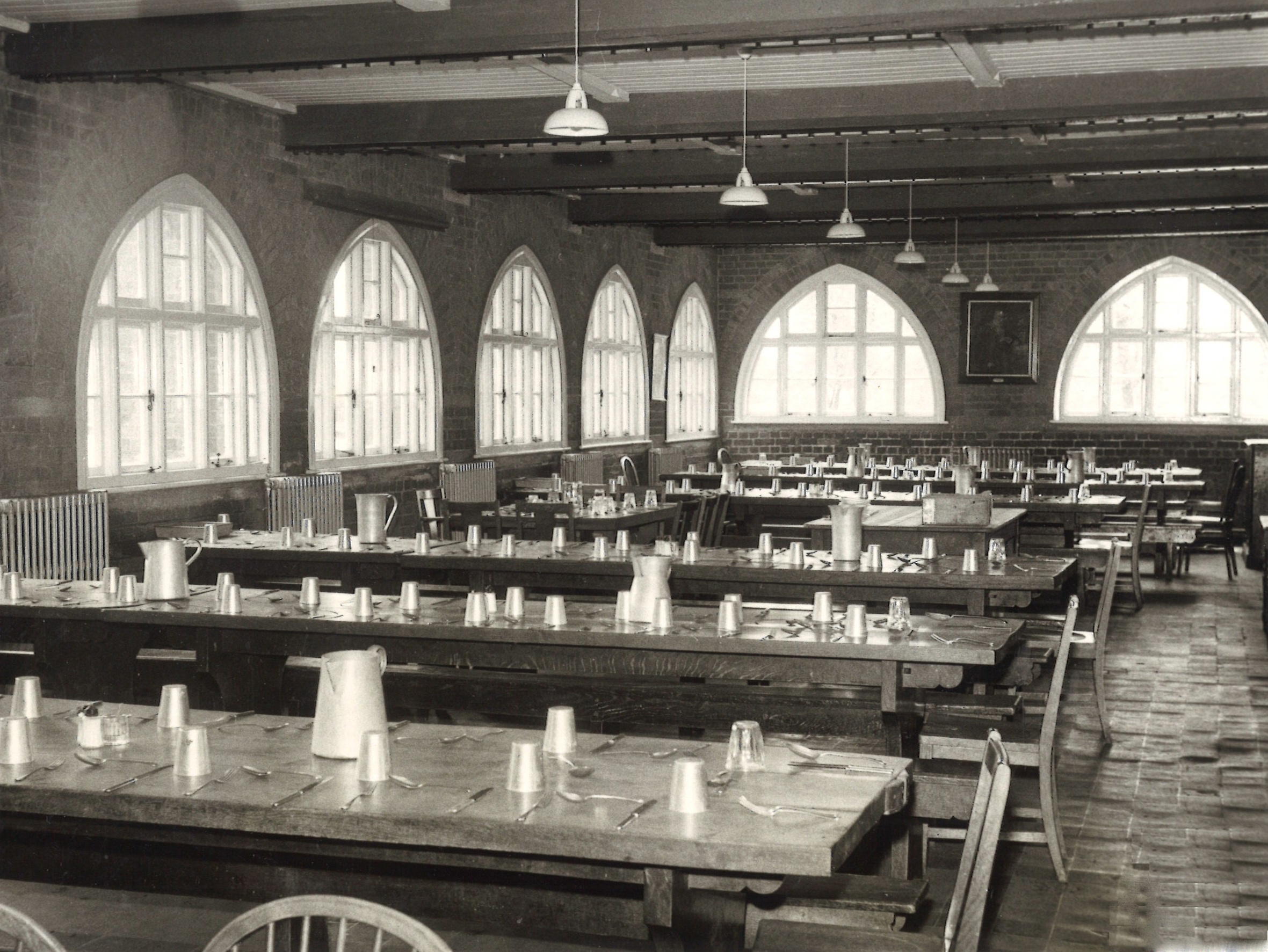
In the twentieth century, the boarding side flourished particularly under the Headmastership of W.M. Grundy (1913-1947). Waste Court house and field were acquired in 1928. J.M. Cobban (later Sir James - Headmaster 1947-1970) took the School into the Direct Grant System, and was responsible for a decisive leap in numbers from 250 to 630. The four buildings nearest the School round Park Crescent were purchased, War Memorial field was acquired, parts of the science laboratories and Little School were built, and Lacies Court house and grounds were acquired. W.E.K. Anderson (Headmaster 1970-1975) was responsible for the building of the dining hall and the biology laboratories.
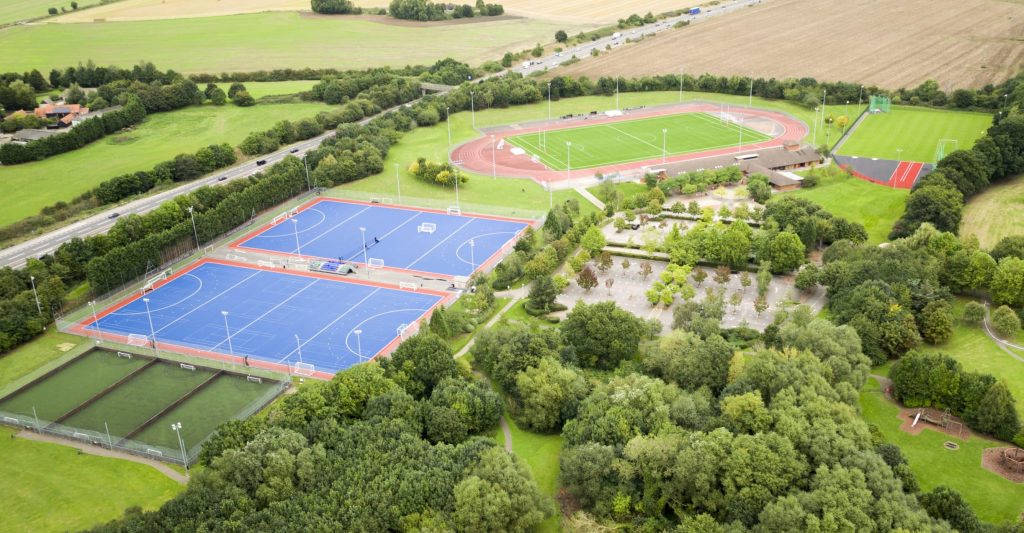
With the ending of the Direct Grant System after 1975, the School reverted to full independence, and continued to grow, with the help of substantial benefactions from the Mercers' Company of London, with which the School was associated through John Roysse. The Jubilee Wing was constructed in 1977, the Amey Hall in 1980 and the Sports Hall in 1984; the Warehouse was also acquired in 1984; the Greening Laboratories were opened in 1990, and Mercers' Court in 1994. Scholarships were established in honour of G.F. Duxbury, a former master, and the 'Mercers' Company. In 1998, the School merged with Josca's Preparatory School, to form a new Foundation. Cox's Fields at Frilford were brought into use, and a new pavilion was built there, in 1999.