English

Teaching English
Teaching English
Teaching English
 

Your ability to use and to interpret language has a direct influence on your ability to control your life. We all think and communicate using the English language, and in many respects language controls our sense of the world as we know it. Developing the perceptiveness and sophistication of a boy’s reading skills, and nurturing his range and command of spoken and written English, are keys aim of the English department at Abingdon.

All boys are taught English up to the end of the fifth year, when they take GCSE English and, from June 2011, an iGCSE in English Literature. Pupils may choose to study English Literature at A Level, and in Upper School classes there is a good blend of those who will continue studying English at university and those specializing in other subjects who recognise the importance of refining their analytical skills and the precision of their expression. Each year a number of pupils go on to read English at first-rate universities including Oxford and Cambridge.

Lower School

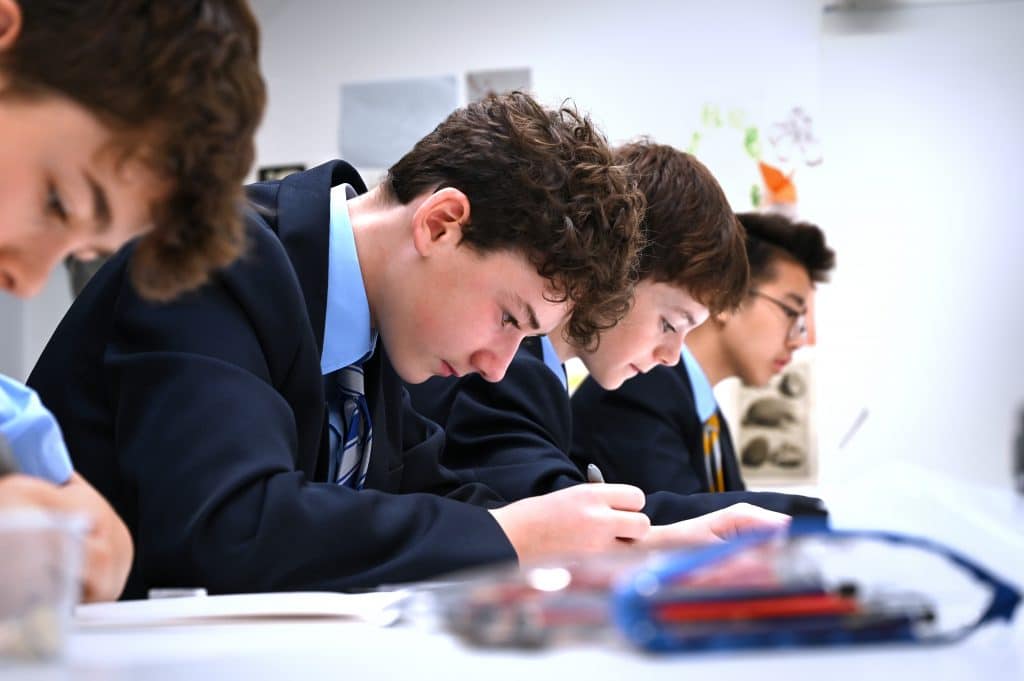
Throughout their time with the English department pupils will be expected to read regularly across a broad range of texts and genres. In Lower School particular focus is also placed on improving the technical accuracy of pupils’ writing, developing a critical vocabulary that enables pupils to explore how writers achieve particular effects, and on encouraging pupils to become more self-aware and mature as creative writers.

Middle School

In the third year pupils are taught the basis of those skills required at GCSE. They will construct more convincing arguments through planning and crafting relevant essays, and will learn to vary their own written and spoken English for a range of purposes and audiences. Having established these foundational skills, in the fourth and fifth years we are able to pay careful attention to the syllabi, yet not to be limited by them. Staff in the English Department have a broad range of specialist knowledge, and teaching is imaginative and interactive to ensure that pupils enjoy the lessons.

Sixth Form

Pupils who study English in the Sixth Form find it richly rewarding to read more challenging texts, to approach these from different theoretical perspectives, and to position literature within broader cultural and social contexts. This might involve comparing and contrasting Hamlet, Othello and King Lear as examples of the dramatic genre of Tragedy, or exploring narrative experimentation in two postmodern novels. Throughout the two year course pupils are taught to think conceptually about texts, theories and the relationships between them.

Co-curricular

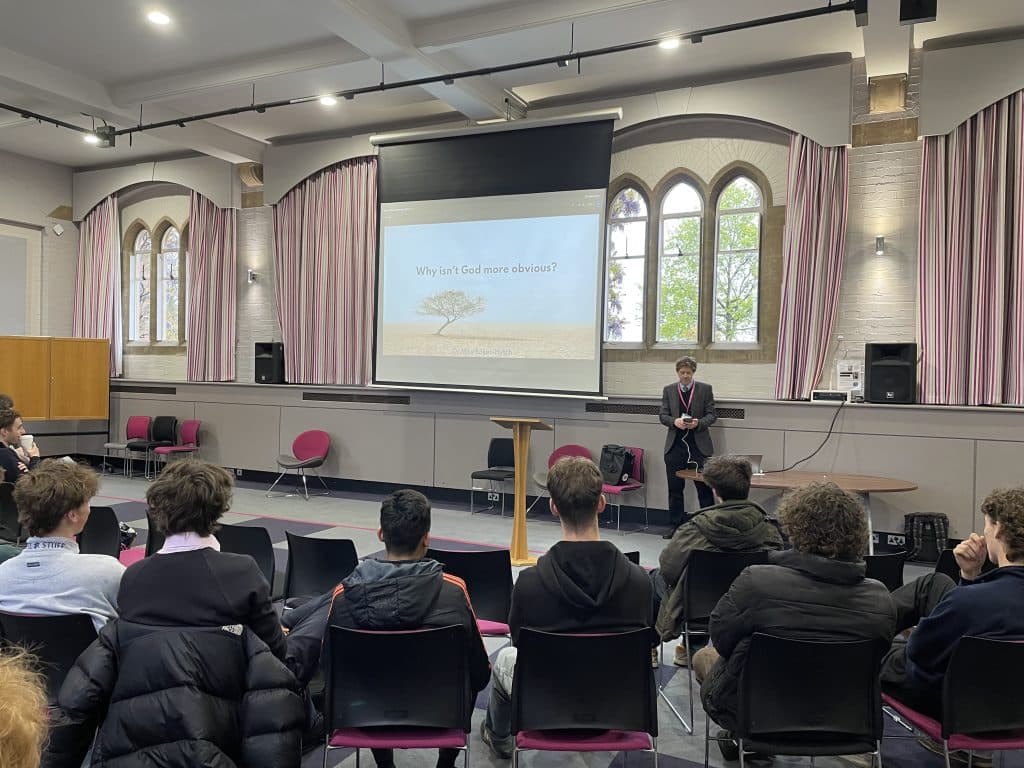
The English Department places a large emphasis on co-curricular classes and activities. Pupils produce their own creative writing magazine that includes contributions from all year groups. Staff lead classes in a Literary Society that offers opportunities for sixth form boys to extend their reading whether or not they are studying English beyond GCSE. Each year there are a variety of trips to theatres and lectures for all year groups, and staff offer regular drop-in clinics for pupils to attend.

Further Information

Further information about the English department curriculum can be found in the curriculum documents available for download on the main curriculum page.

 
Information for
Prospective Parents
Prospective Pupils
Current Parents
Current Pupils
Overseas Pupils
Information about
Pastoral Care
Trips
Events
Music
Sport
The Arts
Exams
Lower School
House Competitions
Sixth Form
Middle School
Galleries
Recently Updated
Upper School
Contact Details
Contact
Match Arrangements
Sport News
Boathouse archive
200 Club
Abingdon Views
The Middle School
The Upper School


Accessibility Home page News section Academic section The Other Half section Community section Admissions section Calendar section Contact section School overview Print page Increase text size Decrease text size